
Genesis 11 Explained - The Tower of Babel and the Origin of Nations
Updated: Jun 7
Introduction
Genesis 11 explained reveals a major turning point in early human history. After the spread of nations in Genesis 10, this chapter explains how languages were divided and why people were scattered across the earth. It also transitions the biblical narrative toward Abraham, through whom God will begin His plan of redemption.
Summary
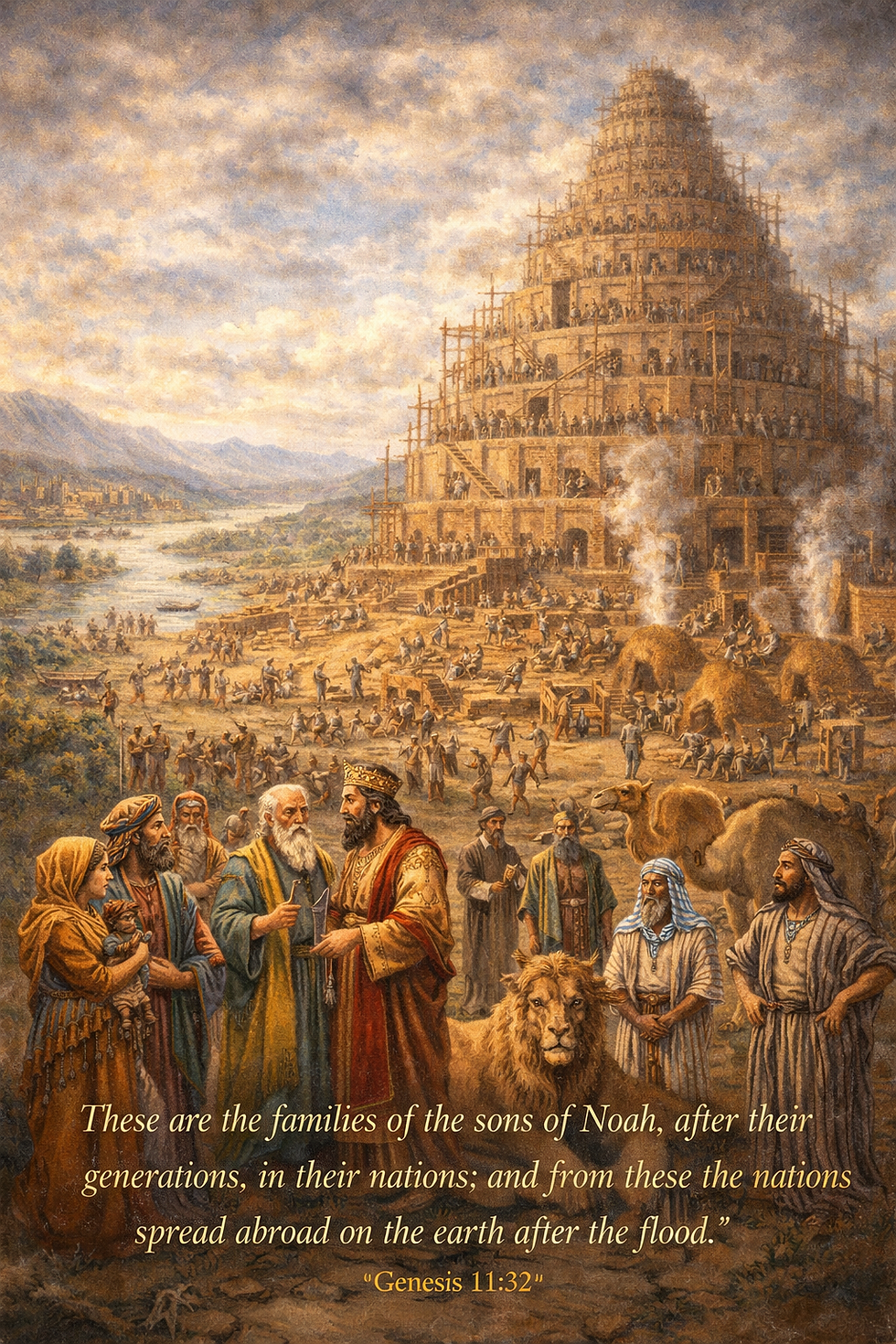
Genesis 11 begins with humanity united by one language and purpose. People gather to build the Tower of Babel in an attempt to make a name for themselves and avoid being scattered. God intervenes by confusing their language, causing them to stop building and disperse across the earth. The chapter ends with a genealogy from Shem to Abram, setting the stage for God’s covenant with him.
Key Themes
1. Human Pride and Self-Exaltation People seek to elevate themselves rather than honor God.
2. Disobedience to God’s Command God commanded humanity to fill the earth, but they resisted.
3. God’s Sovereign Intervention God steps in to redirect human history.
4. The Origin of Languages Different languages arise as a result of God’s judgment.
5. The Beginning of Redemption Focus The genealogy leads to Abram, narrowing the story toward salvation.
Genesis 11 Explained: Verse-by-Verse Breakdown
Verses 1-2 All people share one language and settle together in the land of Shinar.
Verses 3-4 They decide to build a city and a tower reaching the heavens to make a name for themselves and avoid being scattered.
Verses 5-6 God observes their actions and recognizes their unified potential.
Verse 7 God confuses their language so they can no longer understand one another.
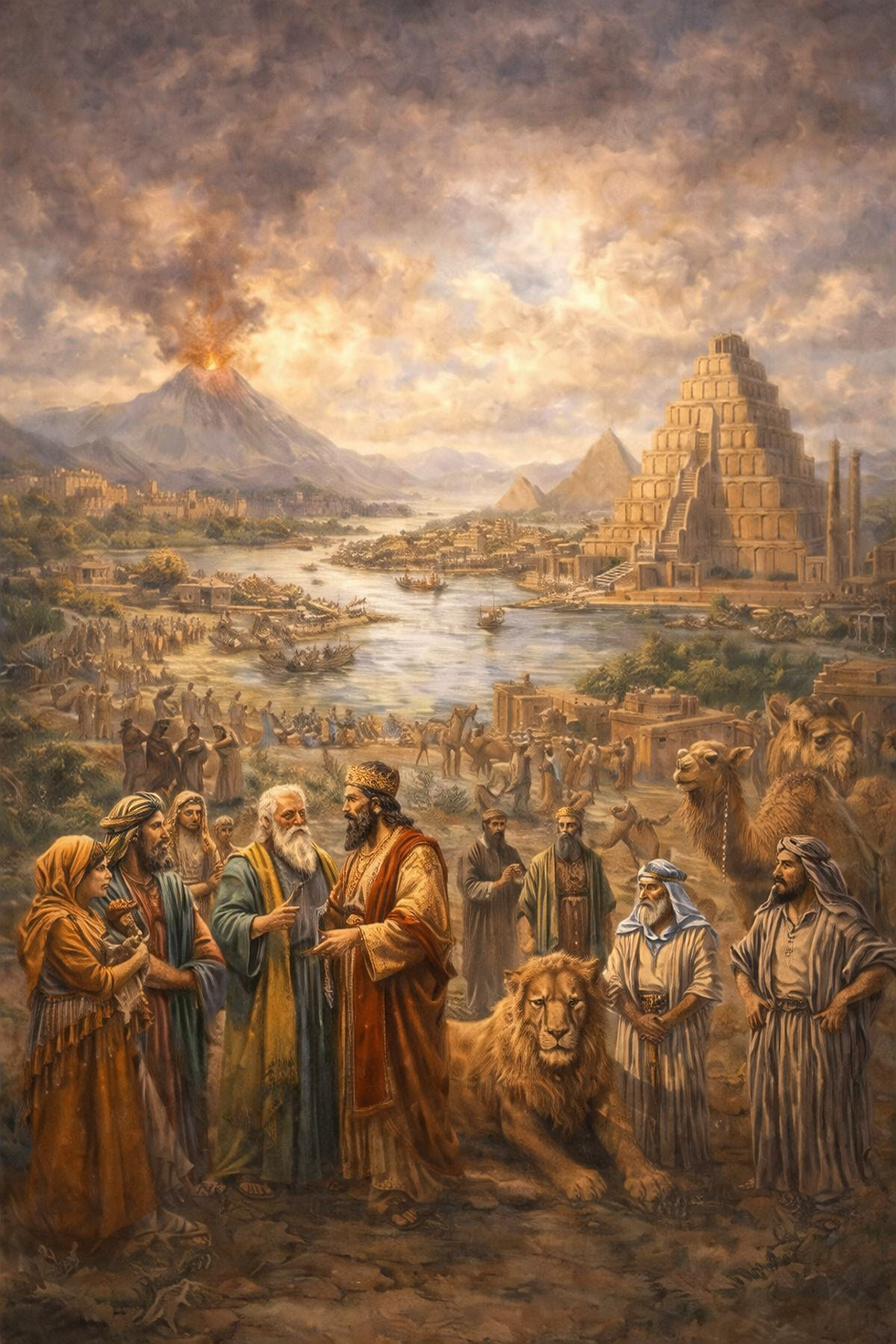
Verses 8-9 The people are scattered across the earth, and the city is called Babel, meaning confusion.
Verses 10-26 A genealogy traces the line from Shem to Abram.
Verses 27-32 The focus shifts to Abram’s family, preparing for the next chapter.
Deep Insight
The Tower of Babel represents humanity’s attempt to reach heaven on its own terms. Instead of trusting God, people rely on their own ability and unity to gain significance.
The phrase "make a name for ourselves" reveals the core issue - pride. Humanity seeks glory apart from God, which is the root of sin seen throughout Scripture.
God’s intervention is both judgment and mercy. By confusing their language, He prevents greater rebellion and forces humanity to spread out, fulfilling His original command.
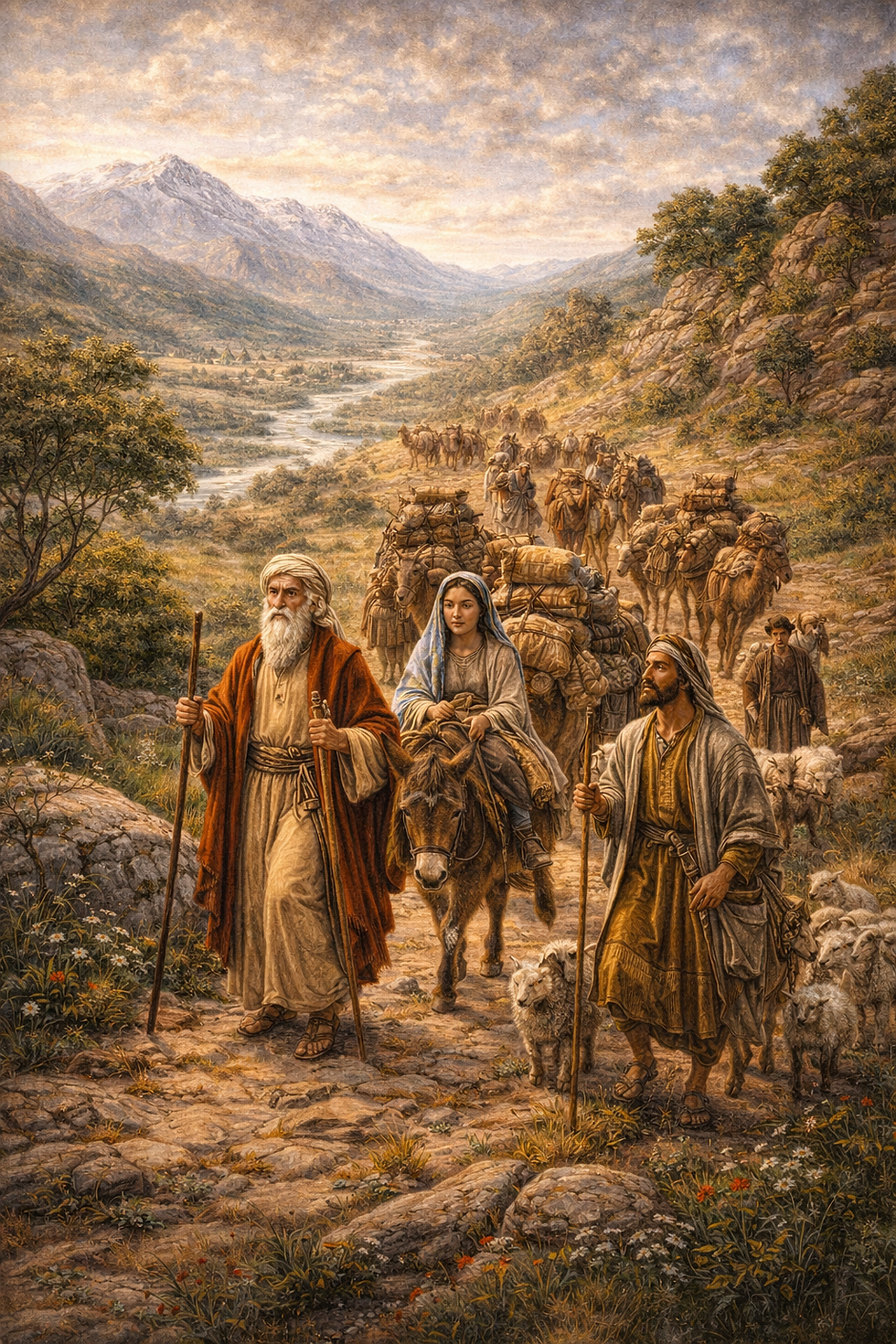
The transition to Abram is critical. While humanity as a whole turns away from God, He begins to work through one man and one family to bring redemption to the world.
Tough Questions Answered
Why did God confuse the languages at Babel? Was He threatened by human unity?
God was not threatened. The problem at Babel was not unity itself but unity organized in defiance of God. The people sought to build a tower to make a name for themselves and to avoid being scattered, which directly resisted God's command to fill the earth. Their united power was being aimed at self-glory and rebellion. By confusing their language, God restrained sin from compounding without limit, much as He restrained access to the tree of life after the fall. It was an act of mercy as much as judgment. Babel's scattering is also reversed in part at Pentecost, where the gospel is preached and every language hears the works of God.
See also: Genesis 11:4-9, Genesis 1:28, Acts 2:5-11
How does the genealogy at the end of Genesis 11 fit into God's bigger plan?
It narrows the focus from all the scattered nations down to one man, Abram, through whom God will bless them all. After Babel disperses humanity, the chapter traces the line from Shem to Abram, setting up the call of Abraham in Genesis 12. This is how Scripture works: after judgment, God moves redemption forward through a chosen line. The genealogy is not filler. It is the bridge from the broken nations of Babel to the family that will carry the promise of a Savior, the line that runs all the way to Christ. God answers human rebellion not only with judgment but with a plan to redeem.
See also: Genesis 11:10-32, Genesis 12:1-3, Galatians 3:8
Application (Real Life)
Genesis 11 speaks directly into modern life:
Pride leads to downfall - Seeking self-glory separates us from God.
God’s plans cannot be stopped - Human effort cannot override His will.
Unity without God is dangerous - True unity must be centered on truth.
God redirects our paths - Even disruption can be part of His plan.
Your identity should be in God, not yourself - True purpose comes from Him.
This chapter challenges us to examine our motives and align them with God’s purposes.
Apologetics Angle
Genesis 11 supports important doctrines:
The Reality of Human Pride Explains why humanity consistently resists God.
God’s Sovereignty Over History God actively shapes events to accomplish His purposes.
The Unity and Diversity of Humanity Different languages and cultures originate from a single source.
Foreshadowing of Christ Where Babel brought confusion, Christ brings unity and reconciliation.
The Trinity (Implied) The phrase "Let us go down" hints at the plurality within God, later revealed as the Trinity.
Cross References
Genesis 1:28 - God commands humanity to fill the earth.
Proverbs 16:18 - Pride leads to destruction.
Acts 2:1-6 - At Pentecost, language barriers are overcome through the Spirit.
Philippians 2:9-11 - God exalts Christ’s name above all.
James 4:6 - God opposes the proud but gives grace to the humble.
Revelation 5:9 - People from every language are redeemed.
Genesis 11 Explained: Conclusion
Genesis 11 shows the danger of human pride and the certainty of God’s sovereignty. While people attempt to elevate themselves, God humbles them and redirects history. The chapter ends with hope, as God begins to work through Abram to bring salvation to all nations. What humanity could not achieve on its own, God will accomplish through His plan.

Comments