
Joel 3 Explained - Judgment of the Nations and God's Final Restoration
Updated: Nov 11
Introduction
Joel 3 Explained brings history to its great and final reckoning. God gathers the nations for judgment and secures His people forever.
The locusts are gone. Now the focus shifts to the end of all things.
Summary
Joel closes with the final chapter of God's plan. He will restore the fortunes of His people and gather all nations for judgment in the Valley of Jehoshaphat. Strong's Hebrew Concordance, a Hebrew Bible word index, explains the name in terms of the Lord judging. The nations are held accountable for how they treated God's people. God calls them to prepare for war, but it is a battle they cannot win. He sits as judge. The valley fills with multitudes awaiting decision. Cosmic signs appear as the day of the Lord arrives in full. But for God's people, the ending is glorious. The Lord is a refuge for His people. The land flows with abundance, and God dwells with them forever. This is the Bible's pattern in miniature. Judgment for the unrepentant, refuge for the redeemed.
Key Themes
Restoration of God's people: God reverses the fortunes of those who returned to Him.
Judgment of the nations: God holds every nation accountable for its actions.
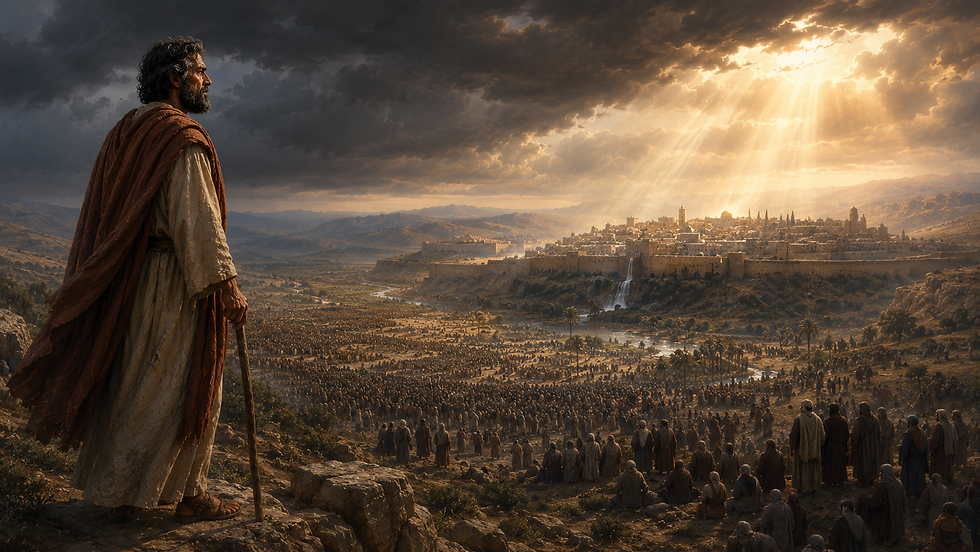
The Valley of Decision: A vivid picture of humanity awaiting God's verdict.
The day of the Lord arrives: Cosmic signs mark the climax of God's judgment.
God as refuge: The same day that terrifies the wicked shelters the faithful.
Joel 3 Explained: Verse-by-Verse Breakdown
Verses 1-8: The Nations on Trial
When God restores the fortunes of Judah and Jerusalem, He says, "I will gather all the nations and bring them down to the Valley of Jehoshaphat" (verse 2). He enters into judgment against them for scattering His people and dividing His land.
Specific charges follow. They sold His people, trafficked the young, and plundered His treasures. God promises to repay them for what they have done. No injustice against His people is forgotten.
Verses 9-12: Prepare for War
God issues a summons to the nations to prepare for war. They must turn farming tools into weapons. The command reaches even the weak: "Let the weak say, 'I am strong!'" (verse 10).
Joel turns a familiar promise of peace upside down. The prophets look ahead to a day when the nations "will beat their swords into plowshares" (Isaiah 2:4; Micah 4:3). Here, by contrast, the nations are told to beat plowshares into swords, because they are summoned to judgment, not peace. Joel calls on the Lord to send His warriors. God sits to judge the nations on every side.
Verses 13-16: The Valley of Decision
The harvest is ripe and the winepress is full, pictures of judgment ready to fall. Joel cries, "Multitudes, multitudes in the valley of decision! For the Day of the LORD is near in the valley of decision" (verse 14).
The sun and moon grow dark and the stars withhold their shining. The Lord roars from Zion; heaven and earth tremble. Yet "the LORD will be a refuge for His people, a stronghold for the people of Israel" (verse 16). The same roar that shakes the world shelters the faithful.
Verses 17-21: God Dwells With His People
God assures His people that they will know Him as the Lord their God, dwelling in Zion. The land will overflow with abundance. The mountains drip sweet wine, the hills flow with milk, and streams of water run through the land.
Judah will be inhabited forever. God promises to avenge bloodshed (verse 21). The book ends with a promise that anchors everything. The Lord dwells in Zion. God with His people, forever.
Deep Insight
The Valley of Decision is one of the most sobering images in the Bible. Crowds of people standing before God, awaiting His verdict. It is a picture of final judgment that the New Testament confirms is coming for all.
But notice the balance. The very same day of the Lord is terror for the nations and refuge for God's people. The difference is not human merit. It is whose side you are on, whether you have turned to God or remained against Him.
Joel ends where the whole Bible ends, with God dwelling among His people. From Eden to the new creation, that has always been the goal. God with us.
Tough Questions Answered
Why does God judge entire nations and not just individuals?
A nation includes people with different responsibilities, so judgment on a whole nation can seem unfair. Joel names acts carried out against God's people: selling them, taking their treasures, and dividing their land (verses 2-6). God judges nations here for real wrongdoing, not simply for being foreign. His judgment answers the very crimes He names.
Psalm 9:7-8 - God judges the world with righteousness.
Is the day of the Lord good news or bad news?
A day of judgment sounds like terror, not good news. Joel's answer is that the day brings judgment to the unrepentant and refuge to God's people. The difference is not a denial of evil but God's rescue from it. That is why the response He calls for is to turn to Him now.
Joel 3:16 - The Lord is a refuge for His people.
Application (Real Life)
Trust that God sees every injustice and will set the record straight.
Know which side of the day of the Lord you stand on before it arrives.
Take comfort that the God who judges the world is also your refuge.
Live now in light of the final reckoning that is certainly coming.
Simple closing test: When the day of the Lord comes, will it find you in the valley of decision or already sheltered in God?
Apologetics Angle
A ruler can silence victims and call his actions right. Joel's vision denies that power makes a person innocent. The nations themselves must answer to the Lord, who names what they did against His people. Their strength cannot buy a different verdict from Him.
The moral logic is also compelling. A universe where trafficking, plunder, and oppression go forever unanswered would be a universe without justice. Joel insists that evil will be judged. That deep human longing for ultimate justice finds its answer in the God who sits as judge, and its rescue in the Christ who took judgment on Himself.
Cross References
Revelation 14:14-20 - The harvest and winepress of God's judgment.
Psalm 9:7-8 - The Lord judges the world in righteousness.
Matthew 25:31-32 - Jesus, the Son of Man, gathers the nations for judgment.
Revelation 21:3 - God's final dwelling with His people forever.
Psalm 46:1 - God is a refuge and strength in trouble, matching Joel's promise that the Lord shelters His people.
Joel 3 Explained: Conclusion
Joel 3 Explained closes the book where all of Scripture is heading. A final judgment for the nations and an eternal home for the people of God.
Joel's vision announces real judgment. One day every person will stand before God. The only question is whether you face that day as judgment or as refuge.
Jesus is the answer to that question. He bore the judgment so that all who turn to Him find shelter. Joel ends with God dwelling among His people forever. Through Christ, that promise is yours. Turn to Him, and the day of the Lord becomes your day of refuge. The One who bore judgment also rose from the dead. Compare the charges in Joel 3 with Jesus' picture of the gathered nations in Matthew 25:31-46, and examine His claim to be the Judge who also gives refuge.

Comments