
Genesis 14 Explained - Abram Rescues Lot and Melchizedek's Blessing
Updated: Jun 7
Introduction
Genesis 14 explained shifts from personal family matters to international conflict, showing Abram as both a man of faith and decisive action. This chapter introduces war between kings, Abram’s rescue of Lot, and a mysterious priest-king named Melchizedek. It reveals how faith operates in real-world situations and points forward to deeper spiritual truths.
Summary
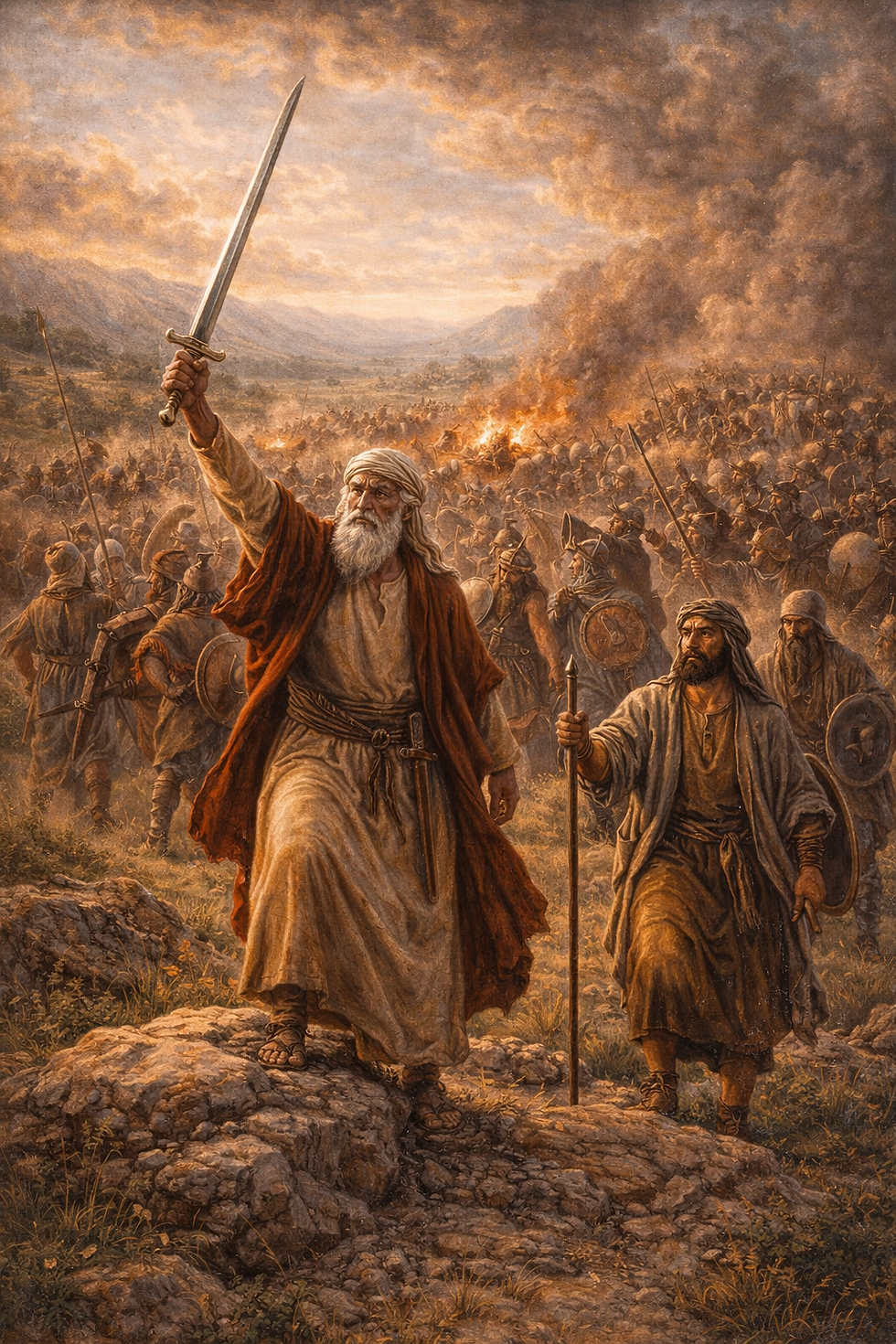
Genesis 14 describes a war between several kings in the region. Lot is captured when the city of Sodom is defeated. Abram gathers a small force, defeats the opposing kings, and rescues Lot along with others. Afterward, Abram meets Melchizedek, king of Salem and priest of God Most High, who blesses him. Abram gives Melchizedek a tenth of everything. He then refuses to take any reward from the king of Sodom, trusting God alone for provision.
Key Themes
1. Faith in Action- Abram does not remain passive - he acts to rescue Lot.
2. God as Deliverer- Victory comes not from numbers but from God’s help.
3. Integrity and Trust- Abram refuses worldly gain to maintain his trust in God.
4. Worship and Recognition of God- Melchizedek blesses Abram and honors God as the source of victory.
5. Foreshadowing of Christ- Melchizedek points forward to Jesus as a priest-king.
Genesis 14 Explained: Verse-by-Verse Breakdown
Verses 1-12 A coalition of kings wages war against others, including Sodom and Gomorrah. Lot is taken captive when Sodom is defeated.
Verses 13-16 Abram learns of Lot’s capture and leads 318 trained men to rescue him. He defeats the kings and recovers all that was taken.
Verses 17-20 Abram meets Melchizedek, king of Salem and priest of God Most High. Melchizedek blesses Abram, and Abram gives him a tenth of everything.
Verses 21-24 The king of Sodom offers Abram rewards, but Abram refuses, declaring that he will not take anything that would give others credit for his success.
Deep Insight
Genesis 14 reveals a different side of Abram. He is not only a man of faith but also a leader and protector. His willingness to act shows that faith is not passive - it responds to real needs.
Melchizedek is one of the most significant figures in this chapter. He appears suddenly, with no genealogy or background, serving as both king and priest. This combination is rare and points forward to Jesus Christ, who is both King and High Priest.
Abram’s decision to give a tenth (a tithe) to Melchizedek shows recognition of God’s authority and provision. It reflects a heart of worship and gratitude.
His refusal of the king of Sodom’s offer demonstrates integrity. Abram wants it to be clear that his blessing comes from God alone, not from worldly alliances or gain.
Tough Questions Answered
Who was Melchizedek, and why does he matter so much later in Scripture?
Melchizedek appears suddenly as king of Salem and priest of God Most High, blesses Abram, and receives a tenth of the spoils. He matters because Scripture later treats him as a profound foreshadow of Christ. Psalm 110 announces a priest forever in the order of Melchizedek, and Hebrews develops this at length: Melchizedek is both king and priest, has no recorded genealogy or end, and is greater than the Levitical priests since Abram tithed to him. He pictures a priesthood that does not depend on lineage or sacrifice repetition, fulfilled in Jesus, who is both King and our eternal High Priest.
See also: Genesis 14:18-20, Psalm 110:4, Hebrews 7:1-3
Why did Abram refuse the king of Sodom's reward?
To keep his testimony clear and his trust visibly in God alone. After the rescue, the king of Sodom offered Abram the recovered goods, but Abram swore he would not take even a thread, so that no one could say the king of Sodom had made him rich. Abram had just received a blessing from Melchizedek, priest of God Most High, and he refused to let a pagan king claim credit for his prosperity. It was a deliberate guarding of his witness and his dependence on God's promise. The contrast is sharp: Abram honored God's priest and refused the world's reward.
See also: Genesis 14:21-24, Genesis 15:1, Hebrews 11:8-10
Application (Real Life)
Genesis 14 offers strong lessons:
Faith requires action - Trusting God includes stepping in when needed.
Help others in need - Abram risks himself to rescue Lot.
Honor God with what you have - Giving reflects trust in God’s provision.
Maintain integrity - Do not compromise for material gain.
Recognize God as your source - All success ultimately comes from Him.
This chapter encourages us to live out our faith boldly and consistently.
Apologetics Angle
Genesis 14 supports key doctrines:
God’s Sovereignty in Victory Even in battle, God is the one who gives success.
The Deity of Christ (Foreshadowed) Melchizedek points to Jesus as eternal priest and king.
The Priesthood of Christ Unlike earthly priests (Levites), Melchizedek’s role is unique and eternal, fulfilled in Christ.
Cross References
Hebrews 7:1-3 - Melchizedek is a type of Christ, both king and priest.
Psalm 110:4 - The Messiah is declared a priest forever in the order of Melchizedek.
Hebrews 5:6 - Jesus fulfills the priesthood of Melchizedek.
Proverbs 3:9 - Honor God with your wealth.
Matthew 6:24 - You cannot serve both God and money.
2 Timothy 2:4 - Stay focused and uncompromised in your calling.
Genesis 14 Explained: Conclusion
Genesis 14 reveals Abram as a man of courage, faith, and integrity. It also introduces Melchizedek, a powerful foreshadowing of Christ. The chapter shows that true success comes from God and that faith should influence every area of life, including decisions about power, wealth, and relationships.


Comments