
Exodus 11 Explained - The Final Plague Announced
- Jun 30
- 4 min read
Introduction
Exodus 11 announces the final and most terrible plague. Every firstborn in Egypt shall die.
After nine plagues, God declares the tenth, the death of the firstborn. This is the blow that will finally break Pharaoh's resistance. The chapter is brief but heavy, the calm before the night that changes everything.
Summary
God tells Moses that one final plague will come, after which Pharaoh will drive Israel out completely. He instructs the people to ask their Egyptian neighbors for silver and gold. Moses announces to Pharaoh that at midnight the Lord will go through Egypt and every firstborn, from Pharaoh's son to the lowest servant's and even the firstborn of livestock, will die. There will be a great cry throughout Egypt, but not a dog will bark against Israel, showing the distinction God makes. Pharaoh's heart is hardened, setting the stage for the final act.
Key Themes
The final plague announced: The death of the firstborn.
God's distinction: Israel will be untouched.
Plunder of Egypt: Israel leaves with silver and gold.
The weight of judgment: A great cry will fill Egypt.
Hardness to the end: Pharaoh still will not yield.

Exodus 11 Explained: Verse-by-Verse Breakdown
Verses 1-3: One Final Plague
God tells Moses that after one more plague, Pharaoh will let Israel go and even drive them out. He instructs the people to ask their neighbors for silver and gold. The Lord gives the people favor in the sight of the Egyptians, and Moses is highly regarded.
Verses 4-8: The Death of the Firstborn Foretold
Moses declares that at midnight the Lord will go out into Egypt, and every firstborn will die, from Pharaoh's heir to the servant's child and the firstborn of the animals. There will be a great cry such as never has been. But against Israel not even a dog will bark, so they will know the Lord distinguishes between Egypt and Israel.
Verses 9-10: Pharaoh's Final Hardening
God says Pharaoh will not listen, so that His wonders may be multiplied in Egypt. Moses and Aaron did all these wonders before Pharaoh, but the Lord hardened Pharaoh's heart, and he did not let the people go.
Deep Insight
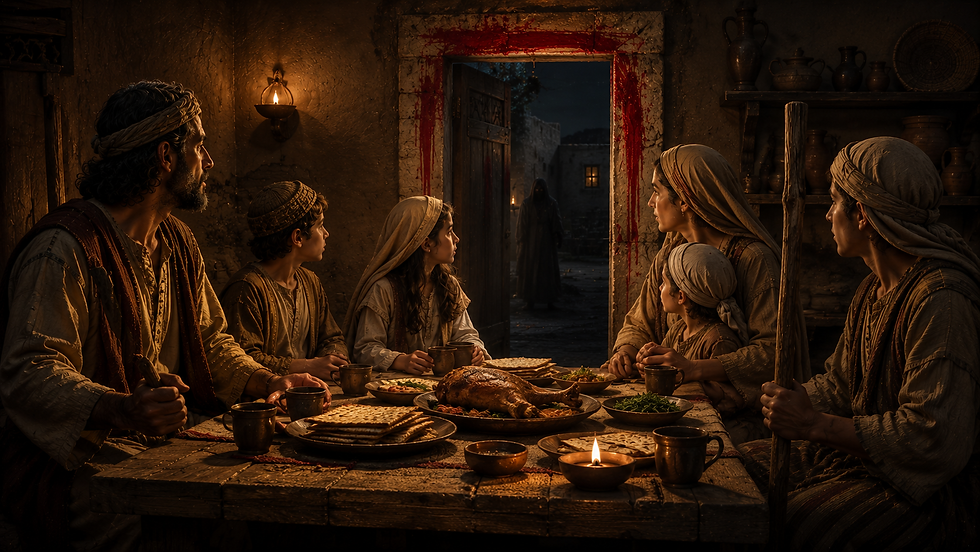
The tenth plague is sobering, and we should not rush past its weight. Why the firstborn? In part, it answers Pharaoh's own crime. He had ordered the murder of Israel's infant sons. Now judgment falls on Egypt's sons. There is a terrible justice in it. But the plague also sets up the gospel. The only way to escape the death of the firstborn was through the blood of a lamb, which the next chapter reveals. The death that fell on Egypt foreshadows the judgment we all deserve, and the lamb's blood foreshadows the Substitute who would bear it for us.
Tough Questions Answered
Why would God strike down the firstborn?
It was the climactic judgment on a nation that had enslaved Israel and murdered their infant sons. It also targeted Pharaoh's claimed divine line. God had given nine warnings and many chances to repent before this final act. (Exodus 11:5, Exodus 1:22)
Was it right for Israel to take Egypt's silver and gold?
This was a kind of just compensation for generations of unpaid slave labor, and the Egyptians gave it willingly under God's favor. It also fulfilled God's earlier promise that they would not leave empty-handed. (Exodus 11:2-3, Genesis 15:14)
How does this plague point to Christ?
The coming Passover, where a lamb's blood spares the firstborn, foreshadows Jesus, the Lamb of God, whose blood saves us from the judgment our sin deserves. The pattern of substitution runs straight to the cross. (Exodus 11:5, 1 Corinthians 5:7)
Application (Real Life)
Take seriously the reality of God's judgment on sin.
See in this plague your own need for a substitute.
Trust that God distinguishes and protects His people.
Remember God keeps His promises, even of provision.
Do not harden your heart against repeated warnings.
Simple test: Have you taken refuge under the blood of the Lamb who bears your judgment?
Apologetics Angle
Exodus 11 raises hard moral questions that the Bible does not avoid, and it situates the final plague within a long sequence of warnings and a context of severe national guilt, including Egypt's own slaughter of Hebrew infants. The judgment is presented as just retribution, not arbitrary cruelty, after extensive opportunity to repent. The chapter also lays the groundwork for the deepest theme in Scripture, substitutionary atonement, where the innocent dies in place of the guilty. This thread, running from Passover to the cross, reveals a unified redemptive design across the whole Bible.
Cross References
Exodus 1:22 - Pharaoh's order to drown the Hebrew sons.
Genesis 15:14 - They will come out with great possessions.
1 Corinthians 5:7 - Christ our Passover lamb has been sacrificed.
Hebrews 11:28 - By faith Moses kept the Passover.
John 1:29 - Behold the Lamb of God who takes away sin.
Exodus 11 Explained: Conclusion
Exodus 11 Explained announces the final, terrible plague: the death of the firstborn. It is the judgment that will break Pharaoh and free Israel, and it answers his own crime against the Hebrew sons. Yet even here the gospel is hidden, for the only escape will be the blood of a lamb. Take refuge in the true Lamb, Jesus, whose blood spares us from the judgment our sin deserves.


Comments